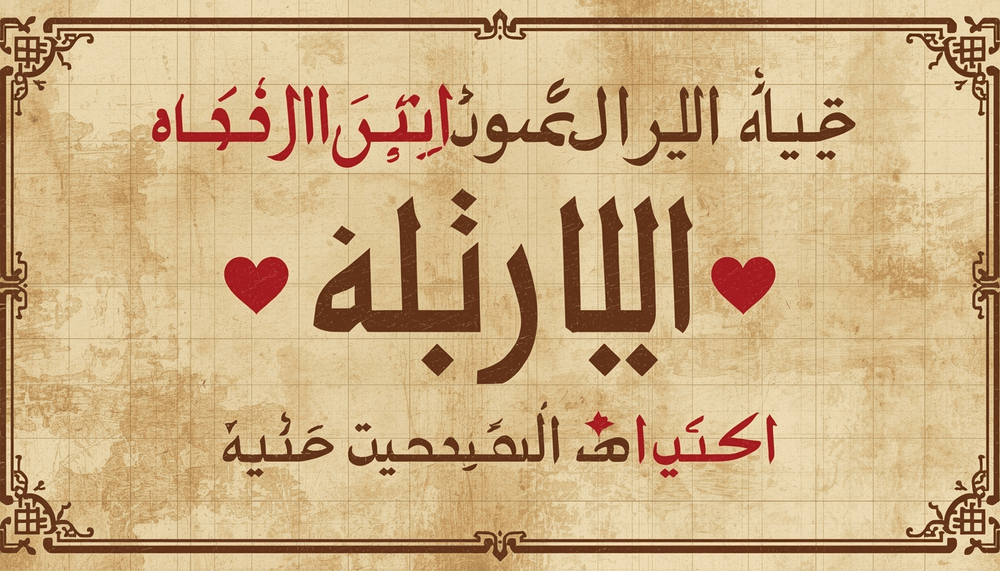
I first misused “habibi” in a Cairo taxi. The driver laughed and corrected me—not because I offended him, but because I had used the word for a woman when I should have said “habibti.” That one small slip taught me that the real habibi meaning carries more emotional weight than any dictionary entry can capture.
The Heart of Arabic: Habibi Meaning in Arabic
The habibi meaning in Arabic roots itself in the three-letter combination ḥ-b-b (حب), which carries the meaning of love. From this base, Arabic builds ḥabīb (beloved) and then adds the possessive “-i” to form ḥabībī, literally “my beloved.” You hear it every day from Morocco to Oman—between husbands and wives, yes, but also between close friends, business partners, and even strangers sharing a coffee. The feminine form ḥabībtī follows the same logic but applies strictly when speaking to a woman.
Habibi Meaning in English: More Than “My Love”
Ask anyone for the habibi meaning in English and you will hear “my love,” “my dear,” “sweetheart,” or “darling.” Those translations work but they miss the word’s everyday flexibility. A shop owner in Amman might call you “habibi” as you pay for falafel. Two teenage boys greeting each other will exchange “habibi” the way English speakers say “bro.” The translation matters less than the relationship.
Romantic: “Goodnight, habibi” holds deep intimacy.
Friendly: “Hey habibi, long time!” signals closeness.
Casual: “Thank you, habibi” softens a mundane exchange.
Habibi Meaning in Hindi: Bollywood’s Favorite Word
The habibi meaning in Hindi carries the same warmth—मेरे प्यारे (mere pyare) or मेरे प्रिय (mere priya)—but Bollywood and indie music have made the word sound cooler than any Hindi equivalent. My Indian friends sprinkle “habibi” into group chats the way they use “yaar.” Search any streaming platform and you will find Hindi songs titled “Habibi” that blend Arabic flavor with desi beats. The word crosses borders effortlessly.
Yalla Habibi Meaning: The Phrase of Joy
“Yalla habibi meaning” becomes clear the first time someone shouts it at a party. Yalla means “let’s go” or “come on.” Add habibi and you get “come on, my dear” or “let’s go, my love.” In Jordan, my host family yelled “yalla habibi” every time dinner was ready. At a football match in Dubai, fans chanted “yalla habibi” to cheer their team. The phrase pumps energy into any room without ever feeling aggressive.
Wallah Habibi Meaning: Swearing with Affection
A friend once told me, “Wallah habibi, I forgot your birthday,” and I couldn’t stay mad. Wallah means “I swear by God.” Combined with habibi, it becomes “I swear to God, my dear.” People use wallah habibi to prove honesty or express genuine surprise. It builds trust in seconds. I have heard grandmothers, cab drivers, and CEOs all deploy it in the same earnest tone.
Ya Habibi Meaning: Poetry in Motion
The phrase “ya habibi meaning” lives inside Arabic music. Ya is a call—like saying “oh.” So ya habibi translates to “oh, my love.” Whenever I hear Fairuz sing “Ya Habibi,” I understand why poets have leaned on this phrase for centuries. It carries longing, devotion, and sometimes heartbreak. Whether addressed to a person or to God, ya habibi resonates deeply.
Hamood Habibi Meaning: From Nursery Rhyme to Global Meme
The “hamood habibi meaning” sits apart from all the others. Hamood Habibi started as a simple CGI video of a child singing “Hamood Habibi” in 2007. The song’s lyrics essentially called out “Hamoud, my beloved” by repeating the moniker “Hamoud” along with “habibi.” By 2017, the video had been found by Western internet users, who used it to create a remix meme. Today, “Hamood Habibi” floats through TikTok and Twitter completely detached from the original habibi meaning. It’s pure internet folklore.
Gender Rules: Habibi vs. Habibti
Using the correct form shows respect. Here’s the simple rule:
Habibi (حبيبي): For men. To a man, “Inta habibi” implies “You are my adored.”
Habibti (حبيبتي): For women. “Inti habibti” means “You are my beloved” to a female.
I still slip up sometimes, but native speakers always appreciate the effort. Call a woman “habibi” and people will understand the mistake; call her “habibti” and watch her smile.
When NOT to Say Habibi: Cultural Pitfalls
After living in the Gulf and North Africa, I learned that habibi hits differently across regions. In the UAE, people reserve habibi for close circles, and a foreigner tossing it around can appear insincere. In Morocco, habibi often stays within romantic or family contexts. A safe rule: listen to how locals around you speak, then mirror their usage. Never force it in a job interview or with a superior unless they use it first.
Quick Reference Table: Habibi and Related Phrases
| Phrase | Literal Translation | When to Use |
|---|
| Habibi (حبيبي) | My beloved (male) | Friends, family, lovers, casual warmth |
| Habibti (حبيبتي) | My beloved (female) | Same as above, but strictly for women |
| Yalla Habibi | Come on, my dear | Encouragement, gathering, celebration |
| Wallah Habibi | I swear to God, my dear | Emphasizing truth, showing surprise |
| Ya Habibi | Oh, my love | Songs, poetry, deep emotional expression |
| Hamood Habibi | Hamood, my dear | Internet meme reference only |
Frequently Asked Questions
What is the habibi meaning in Arabic?
It means “my beloved” or “my love,” built from the root ḥ-b-b.
Is habibi used only for romantic love?
No. Friends, parents, siblings, and even friendly strangers call each other habibi.
What does yalla habibi mean?
“Come on, my dear” or “let’s go, my love,” always said with positive energy.
Can women be called habibi?
Grammatically no. The correct feminine form is habibti. Using habibi for a woman is a common learner mistake.
What is the habibi meaning in hindi?
It translates to मेरे प्यारे (my beloved) or मेरे प्रिय (my dear), often used casually among friends.
Why did hamood habibi become an internet meme?
A 2007 CGI video of a child singing “Hamood Habibi” went viral a decade later, detaching from its original affectionate meaning.
Carry This Word with Respect
Every time I hear habibi now—whether in a song, a market, or a late-night voice note from a friend—I feel the weight of a culture that prizes connection. Learning the habibi meaning in all its shades gives you more than vocabulary; it hands you a key to genuine human warmth. Start using it, but always with sincerity. Pay attention to gender. Pay attention to context. The right “habibi” at the right moment can turn a stranger into a friend. That’s the power waiting inside one small word.