Introduction
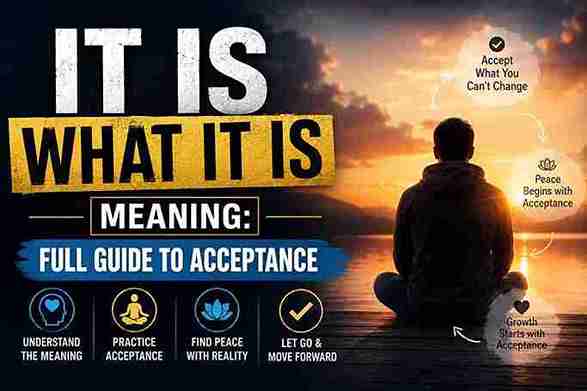
You have heard someone say “it is what it is” after bad news. Maybe you have said it yourself. This simple five-word phrase carries a weight that most people never stop to examine. The it is what it is meaning goes far beyond a casual dismissal of problems. It represents a philosophy of acceptance that can transform how you handle life’s hardest moments. Understanding this phrase can help you navigate disappointment, find peace in uncertainty, and stop wasting energy on things you cannot change.
What Is the It Is What It Is Meaning?
The it is what it is meaning is straightforward: a situation has happened or been decided, and it must be accepted even when undesirable. People use this expression to acknowledge circumstances they cannot alter. It serves as a verbal shrug—a way of saying “this is reality, and I am choosing to move forward”.
This phrase does not mean you like what happened. It does not mean you approve. It simply means you recognize the situation for what it truly is. The it is what it is meaning invites you to stop fighting reality and start working with it. When you accept what is, you free yourself to focus on what comes next.
Where Did “It Is What It Is” Come From?
The origins of this phrase are surprisingly well-documented. According to The New York Times, the earliest known written use appeared in a 1949 article by J.E. Lawrence in The Nebraska State Journal. Lawrence described frontier life in Nebraska with these powerful words:
“New land is harsh, and vigorous, and sturdy. It scorns evidence of weakness. There is nothing of sham or hypocrisy in it. It is what it is, without apology.”
The phrase gained significant popularity in the 21st century. In 2004, it became common in sports to describe losses and move forward. That same year, President George W. Bush used it when told his opponent was leading in the polls. By the late 2010s, the phrase appeared everywhere—from Love Island contestants to Louis Tomlinson’s chest tattoo. Today, the it is what it is meaning resonates across sports, politics, business, and everyday conversation.
The Psychology Behind “It Is What It Is”
Acceptance vs. Resignation
Many people confuse acceptance with giving up. They are not the same. Acceptance means acknowledging reality without judgment. Resignation means surrendering with defeat. The it is what it is meaning, at its best, represents acceptance—not resignation.
True acceptance involves letting go of the idea that something should be different. It means putting aside thoughts about how things “should be” and seeing them as they are. This does not mean you stop caring. It means you stop wasting energy fighting what you cannot change.
The Stoic Connection
The it is what it is meaning aligns closely with Stoic philosophy. Stoicism teaches that peace comes from focusing on what you can control and accepting what you cannot. The Serenity Prayer captures this perfectly: grant me the serenity to accept things I cannot change, courage to change things I can, and wisdom to know the difference.
Stoics believe that our judgments about events—not the events themselves—cause our suffering. When you say “it is what it is,” you are practicing this Stoic principle. You are choosing to see reality clearly instead of tormenting yourself with how things “should” be.
Radical Acceptance in Therapy
The it is what it is meaning appears in evidence-based therapies like Dialectical Behavior Therapy (DBT) and Acceptance and Commitment Therapy (ACT). These approaches teach radical acceptance—fully accepting reality as it is at this moment. This does not mean approving of what happened. It means acknowledging that it happened and allowing yourself to move forward.
Radical acceptance helps people stop fighting painful thoughts and feelings. The more you fight reality, the worse you feel. Acceptance creates space for healing and action.
The Two Sides of “It Is What It Is”
When It Helps: Healthy Acceptance
The it is what it is meaning serves a valuable purpose when used wisely. It helps people:
- Stop obsessing over things outside their control
- Conserve energy for what actually matters
- Find peace in uncertain situations
- Move forward after disappointment
- Practice emotional resilience
One Psychology Today article describes “it is what it is” as “the beginning of acceptance”. This perspective views the phrase as an enlightened approach to living—a way of letting go of attachment to how things “should be”.
When It Hurts: Toxic Resignation
The phrase has a darker side. Critics argue that “it is what it is” often signals “I don’t care”. In workplaces, it can reflect a toxic culture where employees are told to “toe the line” instead of challenging problems. Some see it as a “thought-terminating cliché” that shuts down meaningful conversation.
The it is what it is meaning becomes harmful when it:
- Dismisses legitimate concerns
- Shuts down problem-solving
- Signals apathy rather than acceptance
- Avoids difficult conversations
- Prevents positive change
Linguist John McWhorter argues that people say it when “really, what they mean is, ‘I don’t care’”. In relationships, the phrase can feel dismissive when someone is sharing something tender.
How to Use “It Is What It Is” Wisely
Ask Yourself These Questions
Before using the phrase, pause and reflect:
- Can I actually change this situation?
- Am I accepting reality or avoiding action?
- Does this help me move forward or give up?
- Would this phrase help or hurt the person I am speaking to?
The it is what it is meaning works best when you have honestly assessed your ability to change something and concluded that acceptance is the healthiest path forward.
When to Say It
Use the phrase when:
- A situation is genuinely outside your control
- You need to stop obsessing and move forward
- You are practicing acceptance after honest effort
- You want to acknowledge reality without drama
When Not to Say It
Avoid the phrase when:
- Someone needs empathy, not a cliché
- There is still something you can do
- You are using it to avoid responsibility
- The situation calls for action, not acceptance
It Is What It Is Meaning in Different Areas of Life
In Relationships
The it is what it is meaning in relationships involves accepting people as they are—not as you wish them to be. This does not mean tolerating abuse or staying in unhealthy situations. It means recognizing that you cannot change someone else. You can only change how you respond.
When a relationship ends, saying “it is what it is” can help you stop dwelling on what might have been and start moving forward. It acknowledges the reality of the situation without getting stuck in regret.
At Work
In professional settings, the it is what it is meaning can be both helpful and harmful. It helps when you face organizational changes, budget cuts, or decisions made above your pay grade. It hurts when it replaces creative problem-solving or signals disengagement.
Successful professionals use the phrase to accept what they cannot change—then focus their energy on what they can influence. The goal is not passive acceptance but strategic redirection.
In Mental Health
For mental health, the it is what it is meaning supports recovery by encouraging acceptance of difficult emotions and circumstances. Acceptance does not mean you stop wanting things to improve. It means you stop fighting reality and start working from where you actually are.
Alternatives to “It Is What It Is”
Sometimes the phrase does not fit. Here are meaningful alternatives:
| Alternative Phrase | Best Used When |
|---|---|
| “That’s just how it is” | Stating a simple reality |
| “Such is life” | Accepting life’s ups and downs |
| “C’est la vie” | Adding a touch of elegance |
| “There is nothing I can do about it” | Acknowledging powerlessness |
| “What’s done is done” | Moving past mistakes |
| “It’s no use crying over spilled milk” | Accepting minor setbacks |
| “That’s the way things are” | General acceptance |
| “I accept this as it is” | Conscious, intentional acceptance |
These alternatives can express the it is what it is meaning with different tones and nuances.
6 Steps to Practice Healthy Acceptance
- Notice what you are resisting. Identify the situation you are fighting mentally.
- Ask what you can control. Be honest about your power to change things.
- Accept what you cannot control. Say “it is what it is” with intention, not dismissal.
- Feel your feelings. Acceptance does not mean suppressing emotions.
- Redirect your energy. Focus on what you can influence.
- Take action where possible. Acceptance clears the way for meaningful action.
The it is what it is meaning comes alive when you practice these steps consistently.
Common Misunderstandings About This Phrase
Misunderstanding 1: It means giving up.
The it is what it is meaning is not about surrender. It is about clarity. When you accept reality, you can actually take more effective action.
Misunderstanding 2: It means you approve.
Acceptance and approval are different. You can accept a situation and still dislike it.
Misunderstanding 3: It is always passive.
The phrase can be powerfully active. Choosing acceptance is an action—a decision to stop fighting reality.
Misunderstanding 4: It is just a cliché.
While overused, the phrase carries real psychological weight when used thoughtfully.
The Cultural Impact of “It Is What It Is”
The phrase has become a cultural phenomenon. It has been:
- Voted among the most annoying phrases in American English
- Used as a meme on TikTok and YouTube
- Featured in songs, films, and television
- Tattooed on celebrities like Louis Tomlinson
- Analyzed by linguists and psychologists
This widespread use shows that the it is what it is meaning resonates deeply with people across cultures and generations. It captures something universal about the human experience—the need to accept what we cannot change.
Frequently Asked Questions
Q: What does “it is what it is” actually mean?
A: The it is what it is meaning refers to accepting a situation that cannot be changed. It acknowledges reality without judgment and encourages moving forward rather than fighting what is outside your control.
Q: Is “it is what it is” a negative phrase?
A: It depends on how you use it. Used wisely, the it is what it is meaning promotes healthy acceptance and peace of mind. Used carelessly, it can signal apathy or avoidance.
Q: Where did “it is what it is” originate?
A: The phrase first appeared in print in a 1949 Nebraska newspaper article describing frontier life. It gained widespread popularity in the 2000s through sports, politics, and pop culture.
Q: What is the difference between acceptance and resignation?
A: Acceptance means acknowledging reality so you can move forward effectively. Resignation means giving up with defeat. The it is what it is meaning at its best represents acceptance, not resignation.
Q: When should I say “it is what it is”?
A: Say it when you have honestly assessed a situation, determined you cannot change it, and need to accept reality to move forward. Avoid it when someone needs empathy or when action is still possible.
Q: What are better alternatives to “it is what it is”?
A: Consider “such is life,” “that’s just how it is,” “c’est la vie,” or “I accept this as it is.” These alternatives express similar meaning with different tones.
Conclusion
The it is what it is meaning offers a powerful tool for navigating life’s challenges. When used wisely, this simple phrase helps you stop wasting energy on what you cannot change and start focusing on what truly matters. It is not about giving up—it is about seeing clearly. It is not about apathy—it is about peace. The next time you face something outside your control, pause and consider what acceptance might offer you. What could you do with the energy you are spending on resistance? What might open up if you stopped fighting reality and started working with it?
The it is what it is meaning is ultimately about freedom—the freedom to let go, to move forward, and to live fully in the reality that is, not the one you wish existed.